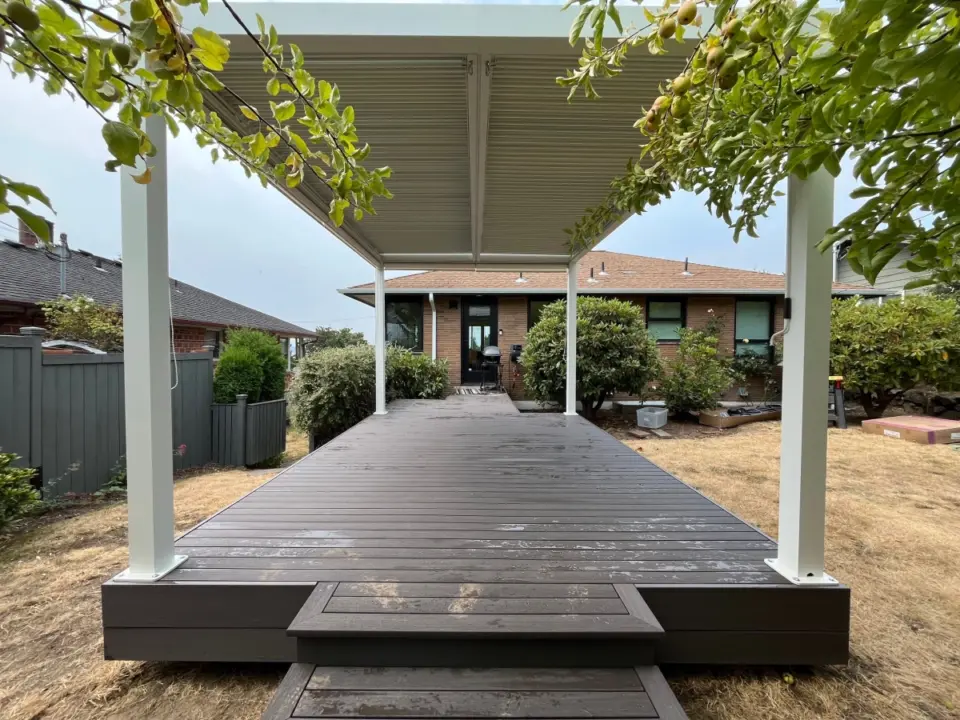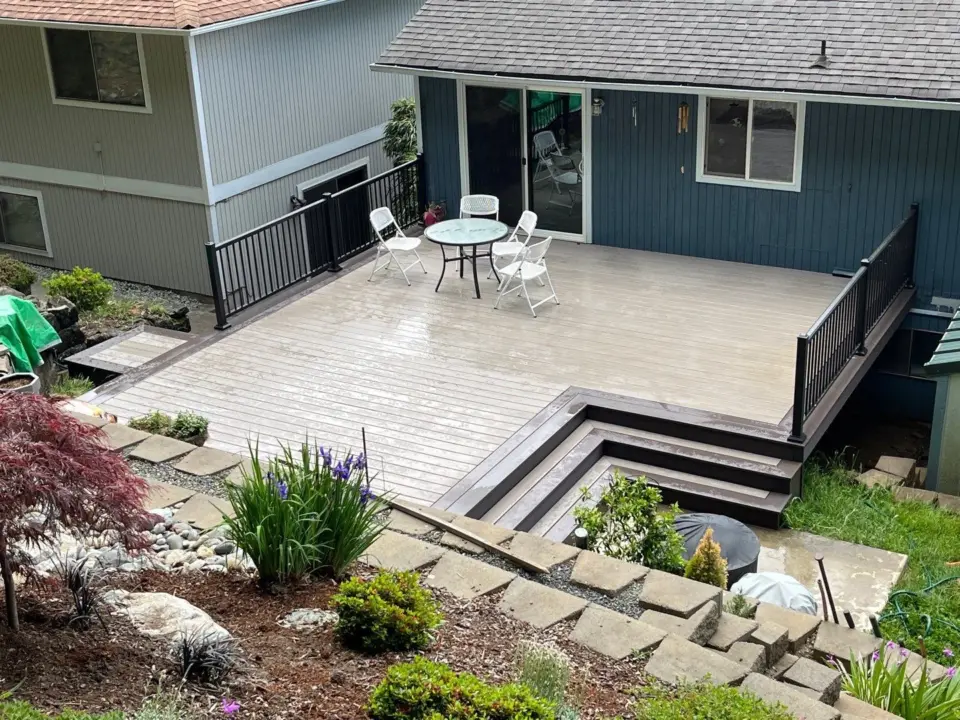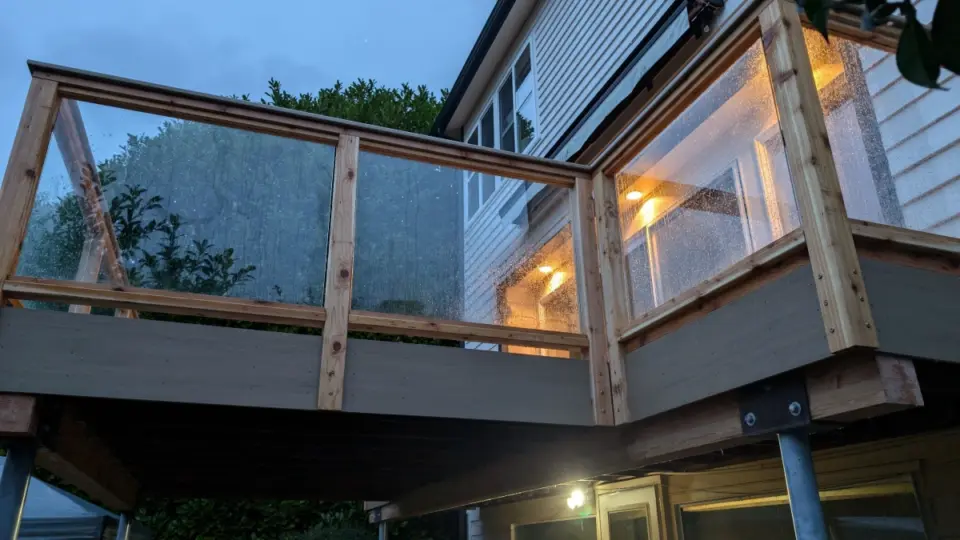


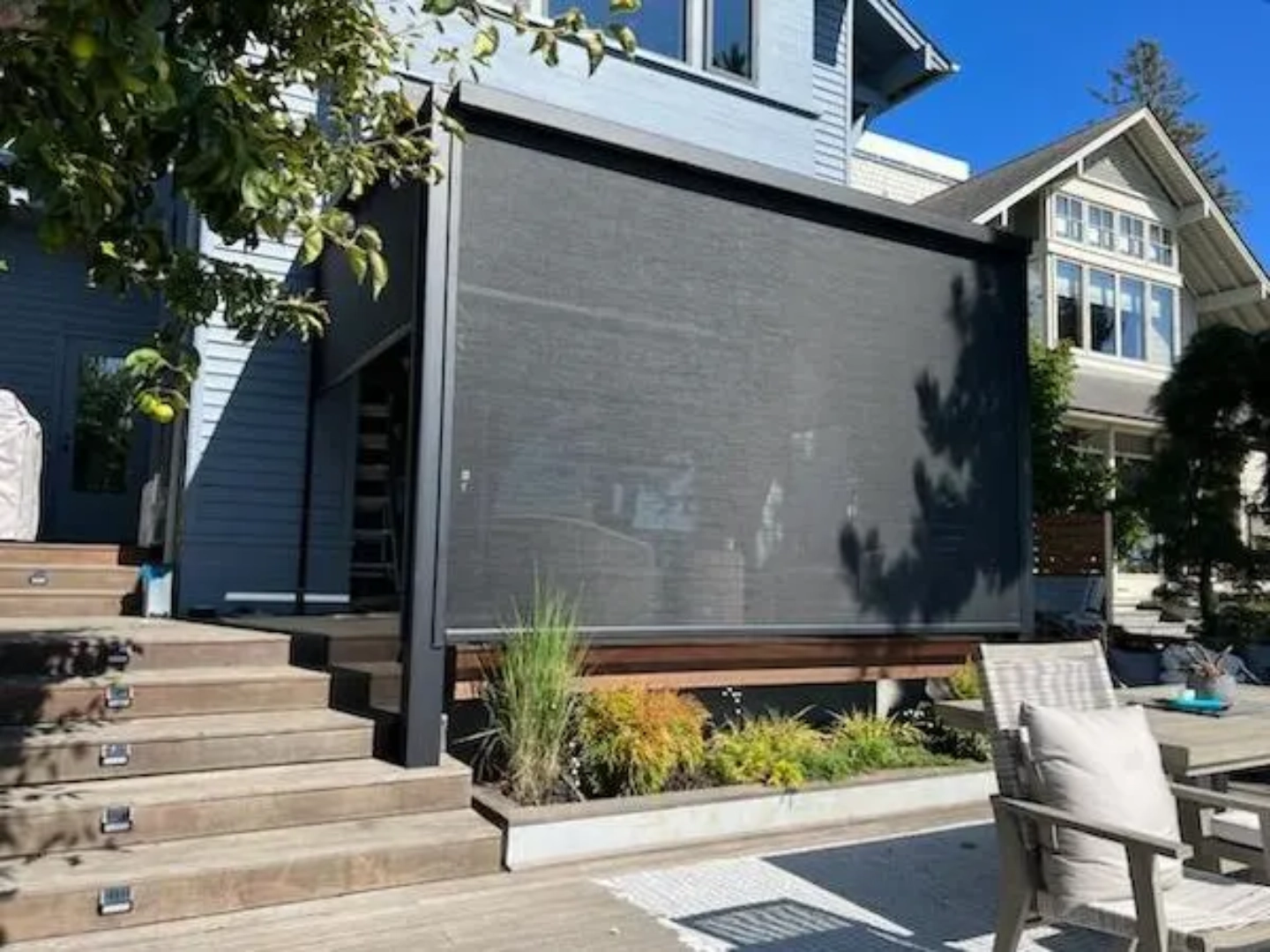
Adding privacy to an outdoor space changes how you use it. A deck that feels exposed to the neighbor’s window or the street becomes a place you actually sit, and a hot tub or dining area gains the seclusion that makes it comfortable. Privacy screen installation is the most effective way to get there, but the result depends heavily on how the work is planned and carried out. If you are considering privacy screen installation for a West Seattle property, here is what the process looks like from the first conversation to the finished screen.
It Starts With a Design Consultation
Every project begins with someone assessing the property and talking through what you want the screen to do. This is where the real decisions get made, because a screen meant to block a second-story sightline is placed and sized differently than one meant to shield a hot tub or cut the wind off Puget Sound. The consultation covers where you sit, what you want gone from view, and how the screen should tie into the existing deck or house. A 3D model of the design comes out of this step, so you can see the finished screen in your actual space before anything is built rather than trying to picture it from a description.
The Site and Slope Get Assessed
West Seattle lots are rarely flat and simple, and a privacy screen has to account for that. On the sloped and view lots common across Admiral, Alki, and the Junction, the crew looks at the grade, the wind exposure, and how the screen anchors into either the deck structure or the ground. This matters more here than in most places, since a screen catches wind like a sail and an exposed lot near the Sound puts real load on it. Reading the site correctly is what keeps a screen standing straight years later instead of loosening after the first hard blow.
You Choose the Material and Style
Privacy screens come in a range of materials and forms, and the right combination depends on the look you want and how much upkeep you are willing to do. Alki Deck Builders works with aluminum and PVC among other materials, both of which stand up well to Pacific Northwest moisture with minimal maintenance. The style options cover screen walls for a solid room-defining barrier, privacy panels for blocking specific sightlines, standalone screens where the structure is not attached to a deck, and aluminum-framed solutions for a clean modern line. Seeing these rendered against your space is what makes the choice concrete rather than abstract.
Permits Get Handled Where They Apply
Seattle building rules can reach a privacy screen, especially a tall one or one tied into a deck on a challenging site. Height limits, setback rules, and the critical-area regulations that apply to slopes and shoreline zones can all come into play. A full-service builder handles the permit acquisition rather than leaving it with you, which matters most on the difficult West Seattle sites where the permitting is the hard part. Getting that cleared before construction keeps the project from stalling and keeps the finished screen on the right side of code.
The Screen Gets Built and Installed
With the design set and the approvals in hand, the crew manages privacy screen installation from framing through final placement. For a screen that integrates with a deck, that means tying the structure into the framing so it reads as part of the build rather than an add-on. For a standalone screen, it means setting the supports properly so the screen holds its line. Because the site was assessed and the anchoring planned up front, this stage tends to go cleanly, and the finished screen looks intentional and sits solid.
It Ties Into the Rest of the Deck
A privacy screen rarely stands entirely on its own. It often goes in alongside railing, lighting, or a larger outdoor living build, and handling it with the same builder means the finishes get planned together. A screen built in a material and color that matches the decking and railing makes the whole space feel like one design rather than separate pieces. If you are adding a screen to an existing deck, matching it to what is already there is part of the conversation from the start.
The Result Is a Space You Use More
The point of the whole process is a comfortable, secluded area that holds up over time. Done right, a privacy screen turns an exposed deck into an outdoor room, reduces unwanted views and noise, and defines the space without closing it in. On a West Seattle lot with a view worth keeping, the screen can shield what you want gone while preserving the sightlines that made the property worth buying.
Start With a Design Conversation
If a privacy screen would make your outdoor space more usable, the first step is having someone read your lot, your sightlines, and how the screen ties into your deck, then show you the options in 3D. Call Alki Deck Builders at +1 425 329 5251 or visit 5220 37th Ave SW, Seattle, WA 98126 for a free or virtual consultation.