

West Seattle waterfront homeowners have something most Puget Sound residents only dream about. Direct access to the water, sunset views across Elliott Bay, and the kind of outdoor space that makes the city feel like a coastal retreat year-round. A well-designed dock turns that waterfront into a true extension of the home, but the design process is more complex than most homeowners expect from a standard backyard project.
This guide walks through what goes into designing custom docks for West Seattle properties, from shoreline permitting through dock type selection, material choices, and the structural realities of building over Puget Sound water.
Shoreline Permitting and Environmental Review
West Seattle waterfront sits squarely within Washington State’s Shoreline Management Act jurisdiction, which regulates any construction within 200 feet of marine shoreline. Every project involving custom docks requires a Shoreline Substantial Development Permit or a Shoreline Exemption, along with review from multiple agencies including the Washington Department of Fish and Wildlife and the Army Corps of Engineers for any over-water construction.
Permitting is often the longest phase of a custom docks project, sometimes taking six to twelve months before construction can begin. A geotech report typically accompanies the application, and additional review applies for ECA (Environmentally Critical Area) projects, liquefaction zones, peat element zones, landslide-prone areas, and steep slopes. A qualified contractor handles the entire shoreline permitting process from start to finish, keeping the project on track through every required approval.
Dock Types That Work for West Seattle Waterfront
Three dock types work especially well for West Seattle properties, and the right choice depends on water depth, tidal exposure, and how the homeowner plans to use the structure. Stationary docks sit on fixed pilings driven deep into the seabed, providing a stable platform that does not move with the tide. They work best where the waterfront stays accessible across tidal cycles or where the user prioritizes structural stability over launch access at low tide.
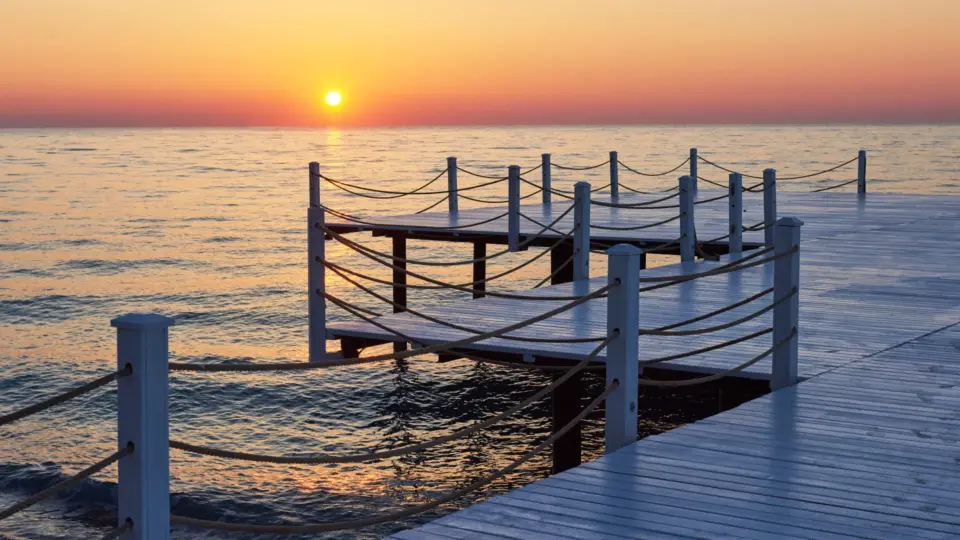
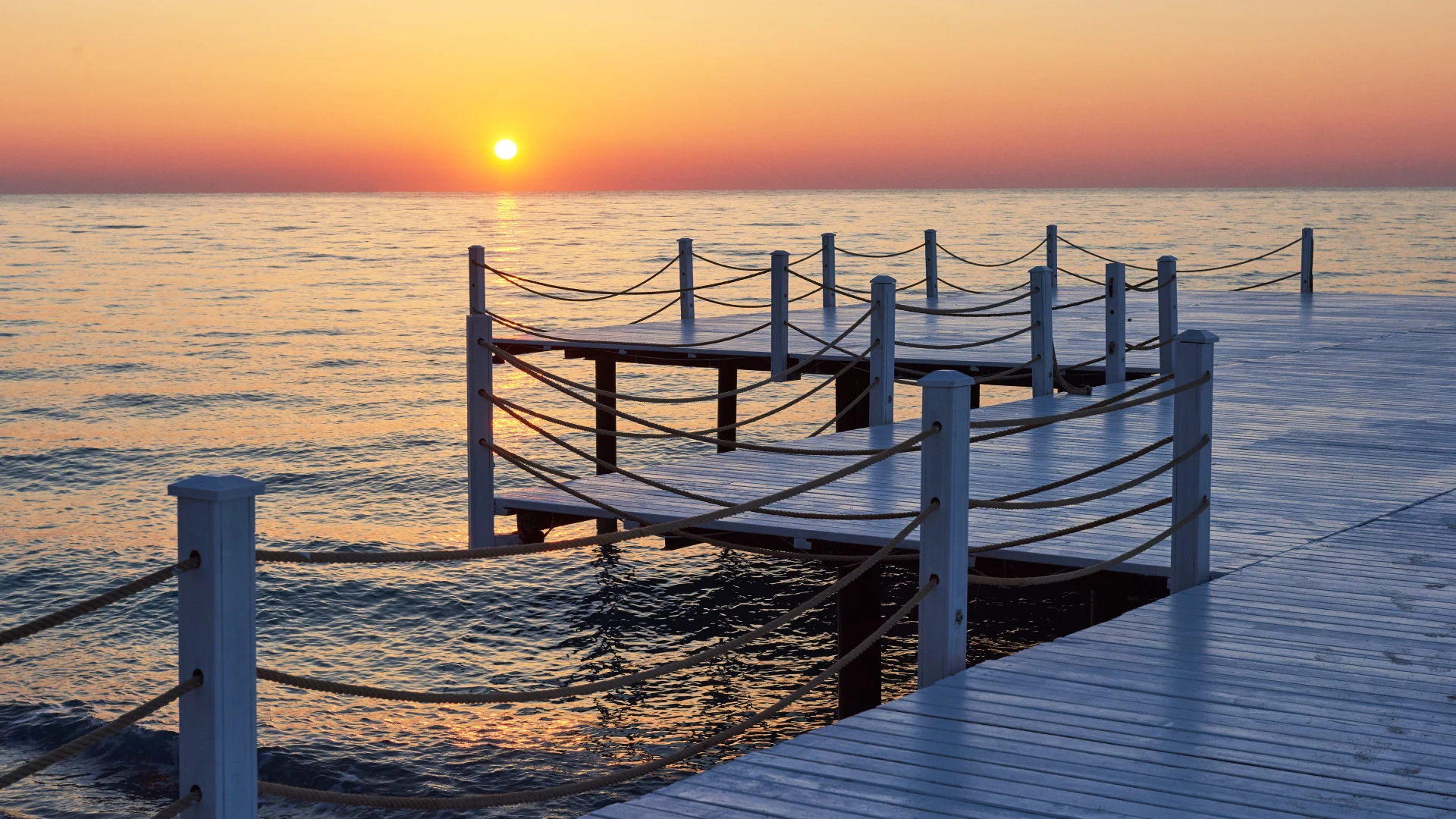
Piling docks use vertical timber or steel piles driven into the substrate to support a fixed deck surface above the water. Suspended docks take a different approach, hanging the deck surface from a structural framework rather than relying on piles for direct vertical support. Custom docks combine elements of each type, tailoring the structure to the specific waterfront conditions, intended use, and homeowner preferences across the property.
Marine-Grade Materials for Salt and Sun
Standard deck materials simply do not survive in a saltwater environment. Salt spray, constant moisture, and direct sun exposure destroy ordinary lumber and lower-grade synthetic products within just a few seasons. Custom docks demand materials specifically engineered for marine conditions, with proven track records on Pacific Northwest waterfronts where the climate punishes every poor material choice.
Tropical hardwoods like Ipe, Tigerwood, and Cumaru deliver outstanding performance in marine applications thanks to their natural density and resistance to rot, insects, and water damage. Composite and PVC dock surfaces from TimberTech and Deckorators also perform well in saltwater conditions, with capped construction that resists fading and surface degradation. Eco-friendly dock materials provide another option for homeowners prioritizing sustainability alongside marine durability.
Designing for Tidal Exposure and Property Fit
Tide range in Elliott Bay swings roughly 13 feet between extreme low and extreme high tides. This vertical movement dictates dock height, access ramp design, and overall configuration in ways that landlocked decks never face. A stationary dock set high above mean high water keeps the structure dry through the full tidal cycle, while a piling dock with carefully calculated deck height balances accessibility with tidal protection.
Property-specific custom docks design also accounts for prevailing wind direction, wave exposure, neighboring shoreline structures, and water depth at the dock face. The design consultation phase typically includes 3D modeling that shows exactly how the finished dock will sit on the waterfront before construction begins. This planning stage catches sightline issues, neighbor considerations, and tidal mismatches before they become expensive problems out on the water.
Long-Term Care and Structural Repairs
Even the best-built dock takes wear over years of saltwater exposure. Pilings can shift under storm conditions, fasteners loosen from constant tidal stress, and the deck surface accumulates damage from foot traffic and weather across the seasons. Regular inspection and timely structural repairs extend the lifespan of any dock significantly, often doubling the useful service life compared to neglected structures.
Structural repairs and piling repairs are the two most common service needs on aging Puget Sound docks. Both require specialized equipment and marine construction experience to address correctly, since saltwater conditions and tidal access make these jobs far more complex than typical land-based repairs. For expert custom docks design, installation, and structural repair in West Seattle and across the surrounding Puget Sound shoreline, contact Alki Decks at (425) 329-5251 to schedule a consultation and start your waterfront project the right way.